The Darién Gap: a nightmare, not a dream
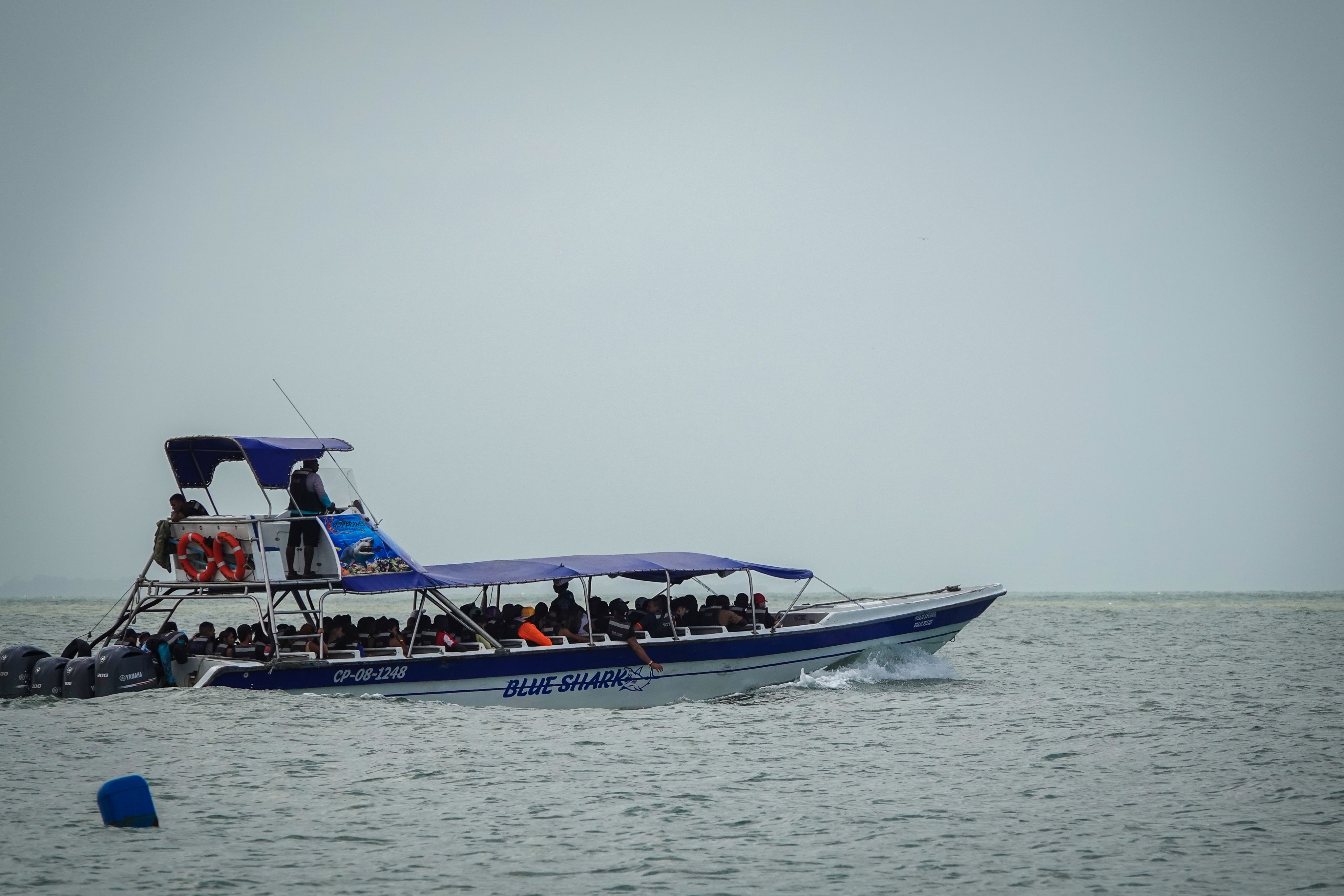

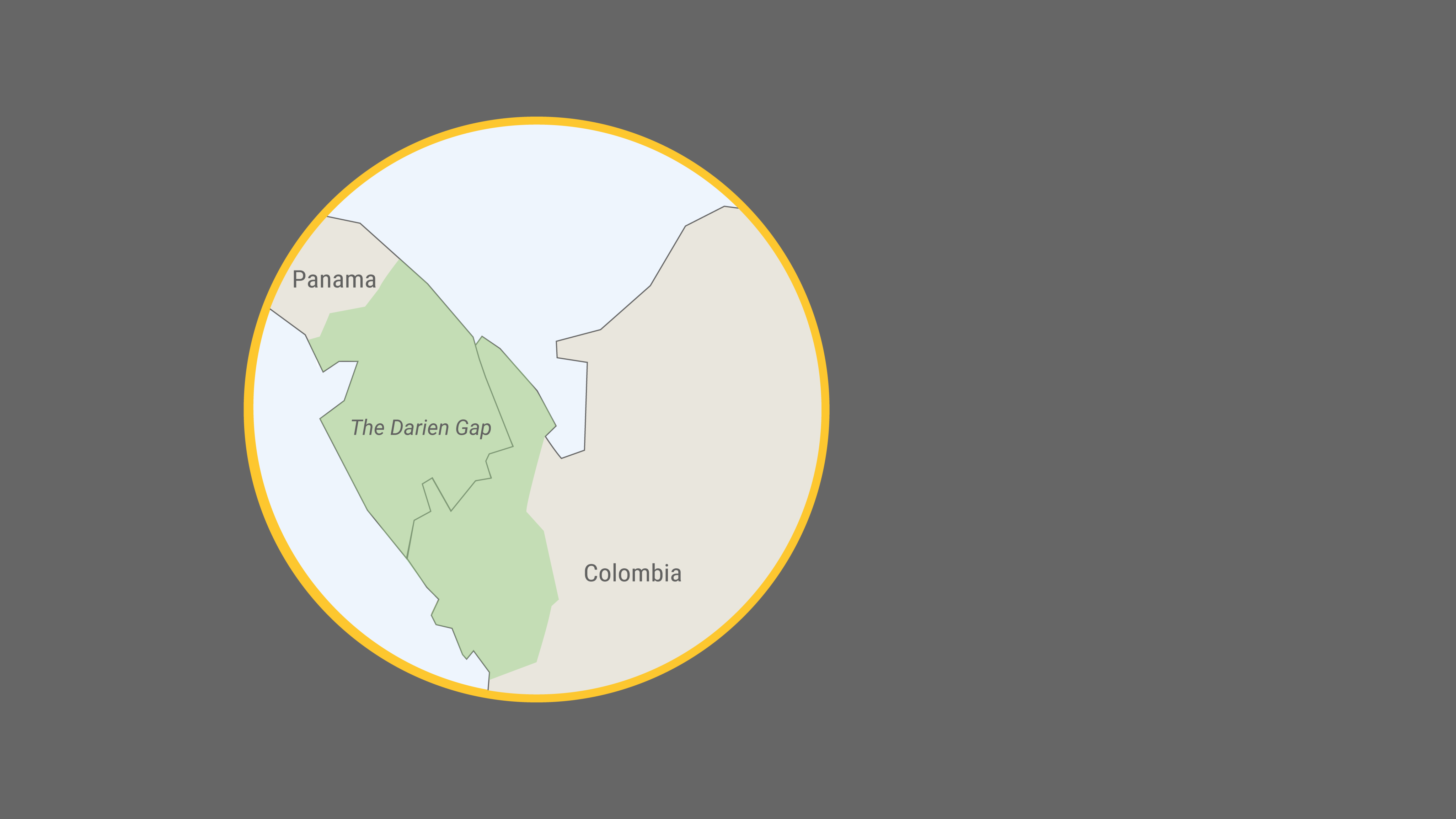
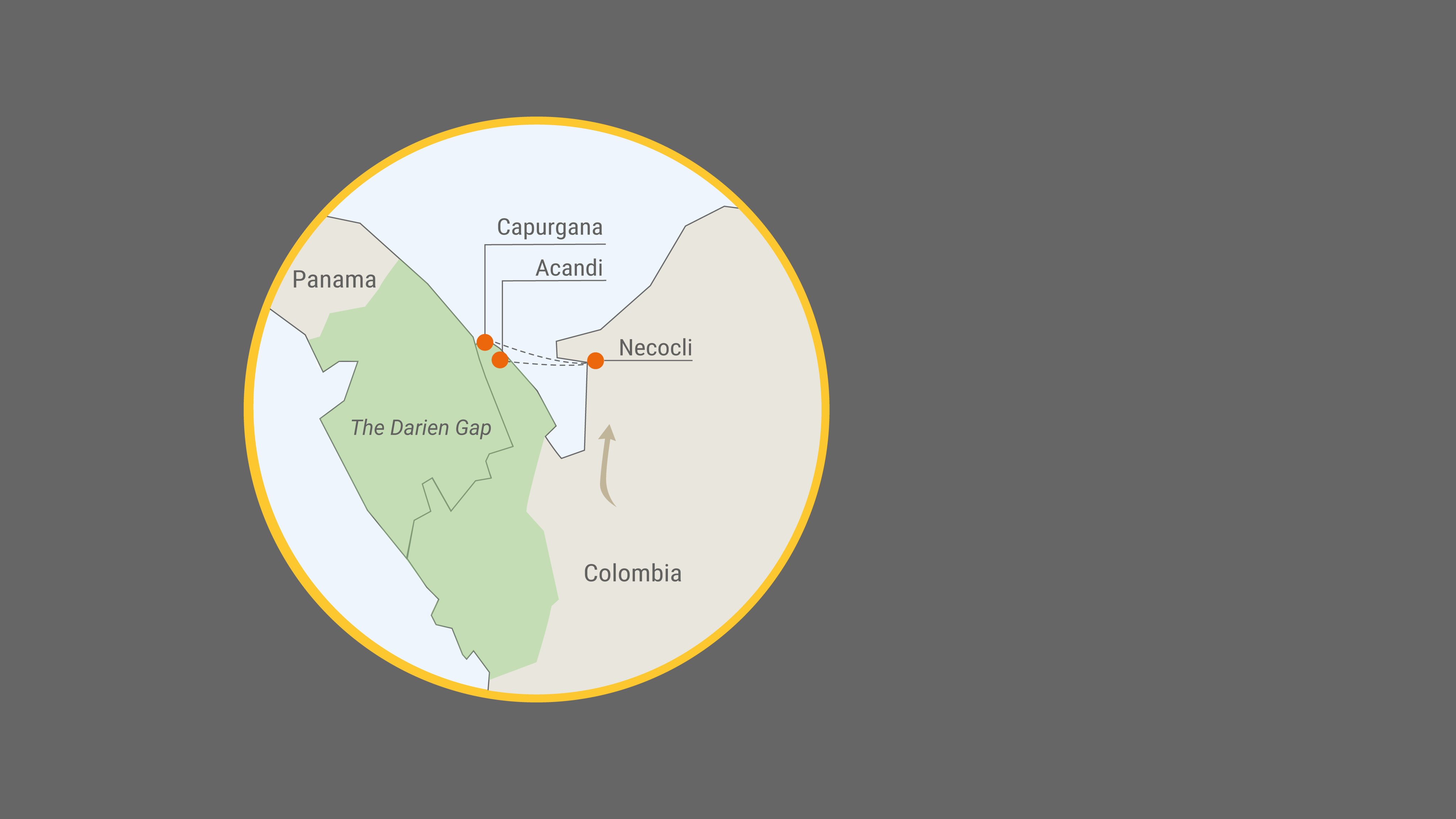
In the city of Necoclí dreams can become nightmares. Every day, hundreds of refugees and migrants arrive in this city in the north of Colombia. All of them are trying to cross the dangerous jungle of the Darién.
Why? Women, unaccompanied children, young people and desperate families are all trying to reach the north of the continent, especially the United States, in search of safety and better opportunities.
Text: Ana Milena Ayala and Tatiana Polanía
Photo: Ana Milena Ayala
Published: 4 March 2024

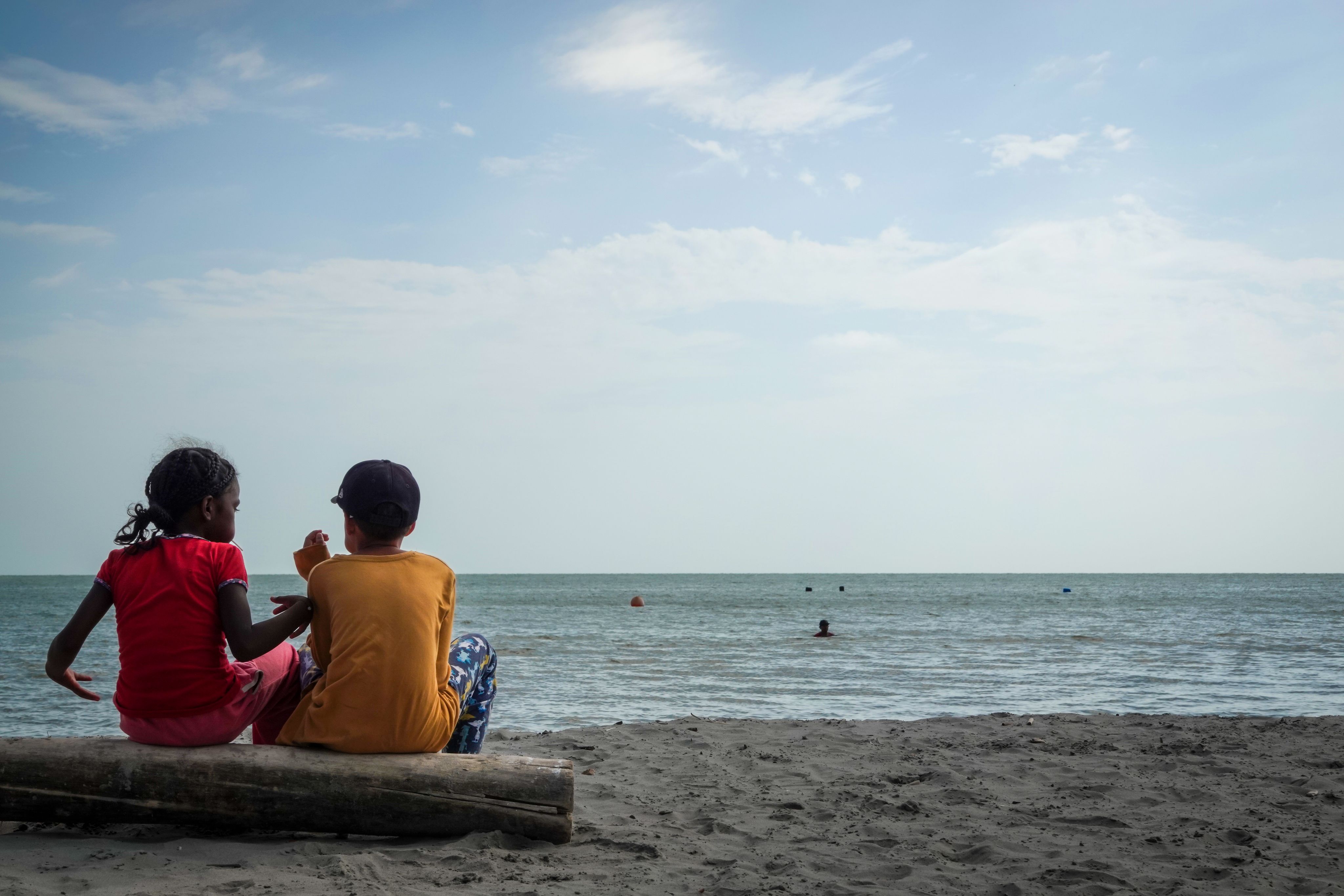
Children sitting on the beach in Necoclí.
Children sitting on the beach in Necoclí.
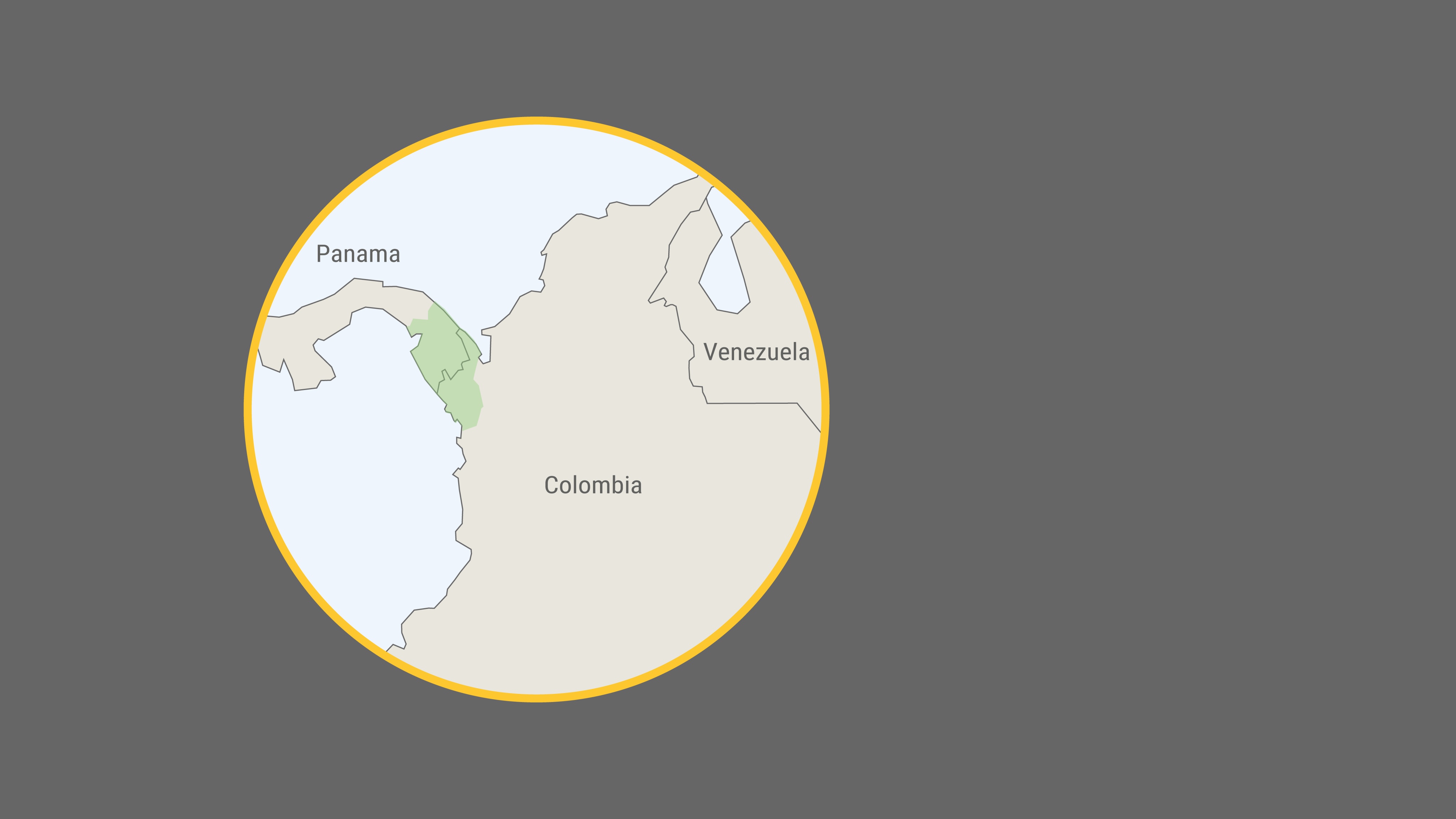
An unprecedented half a million people migrated north across the Darién Gap between Colombia and Panama in 2023. During the first two months of 2024, nearly 70,000 people attempted to cross this route.
In 2023 alone, refugees and migrants of at least 35 different nationalities crossed through the Darién rainforest. More than half were Venezuelan nationals.
In this part of the world, there is no road connecting South America and Central America. Migrants and refugees who manage to cross the jungle go on to transit through several Central American countries and through Mexico, until they reach the southern border of the United States. But the route is dangerous, and the population is largely misinformed.


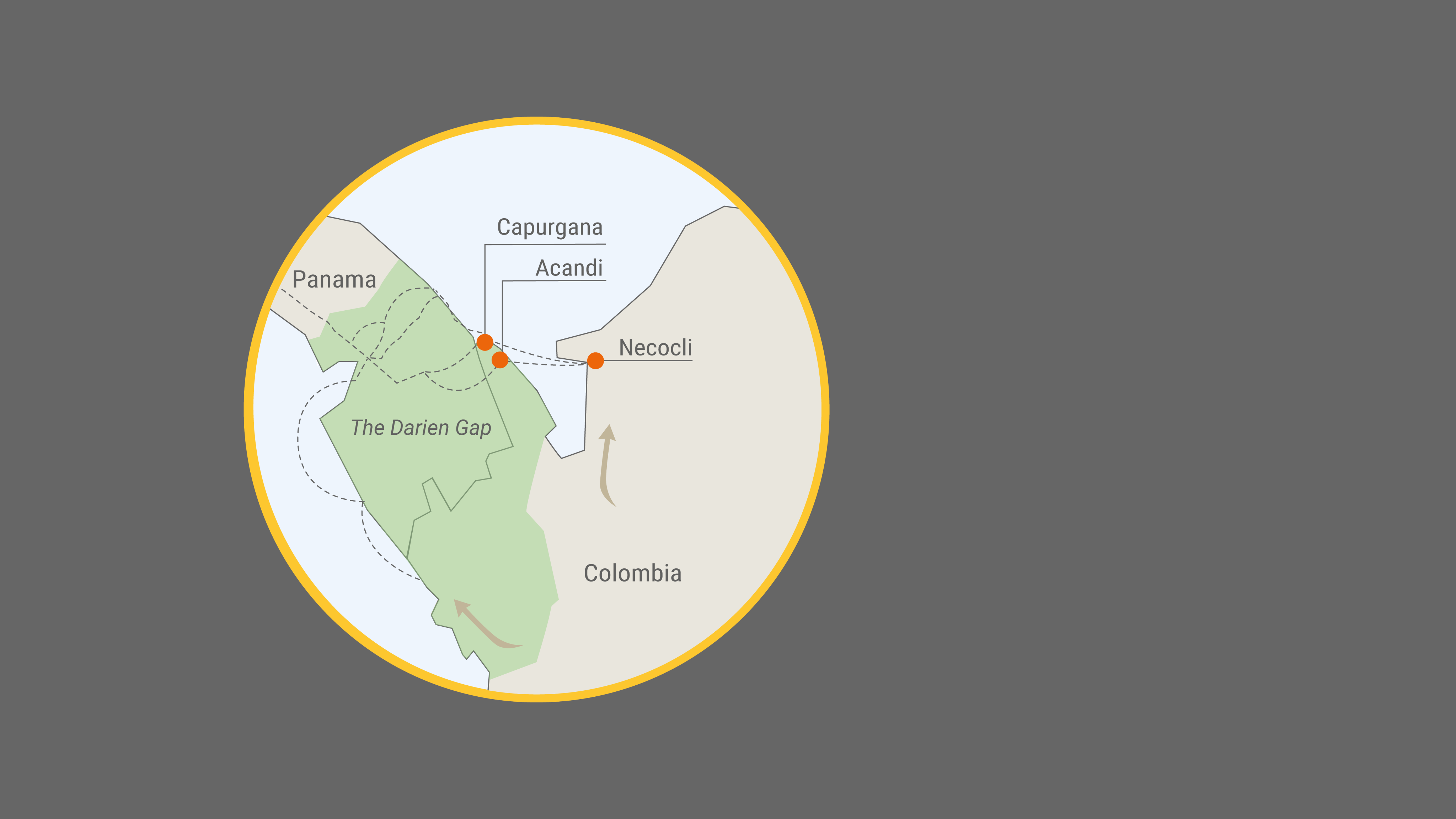
Fifty–fifty? Live or die? Travel or not?
Some people and families risk everything to cross the jungle. Others, despite having made it as far as Necoclí, decide at that point to take a step back and not continue the deadly and difficult trek through the jungle.
When we spoke to refugees and migrants in Necoclí, one in 10 told us that they decided to give up on their journey through the Darién after getting more information about the route. Their main concerns included the challenging climate and jungle conditions, health risks, reports of sexual violence and robberies, and the lack of a safe place to sleep along the way.

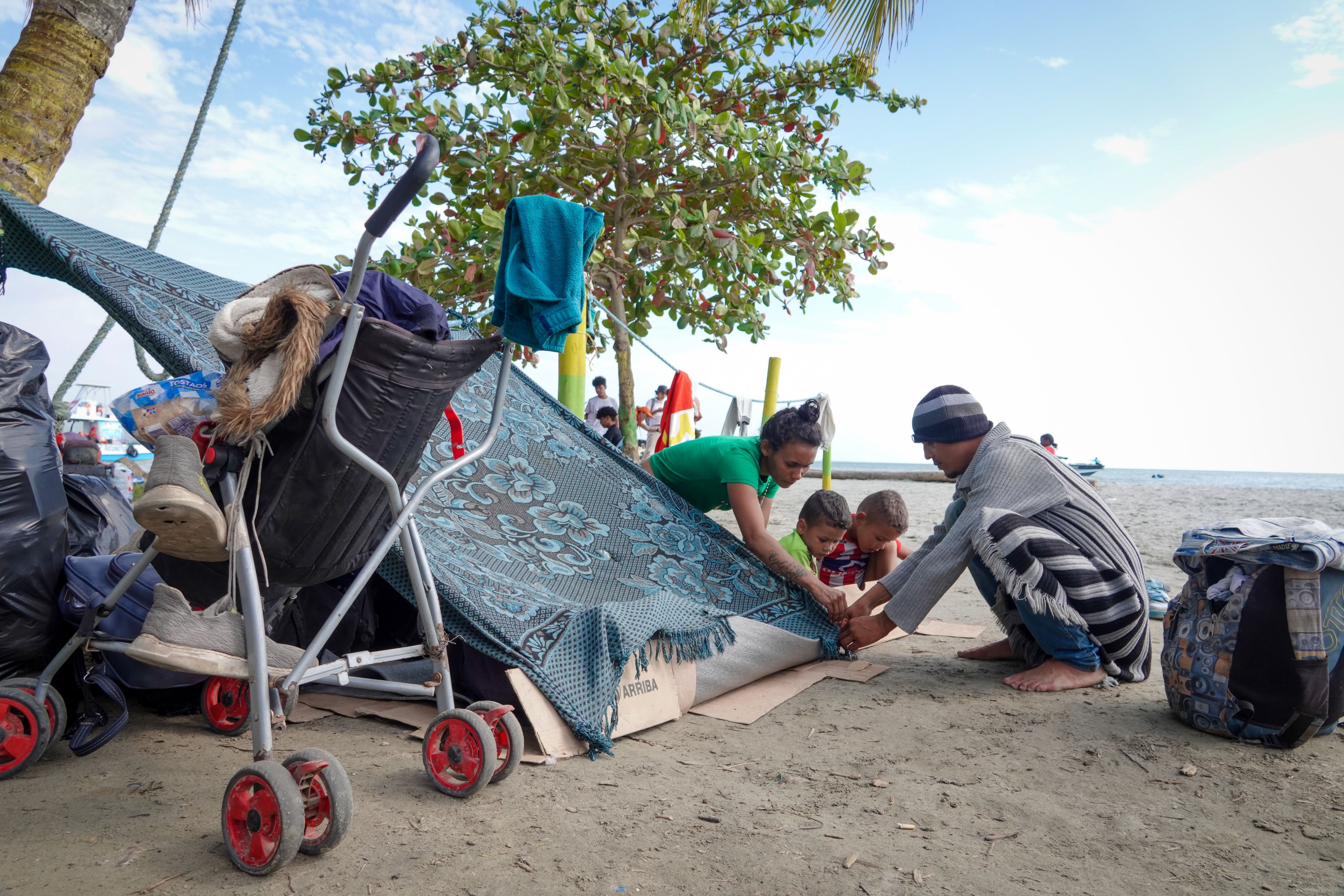

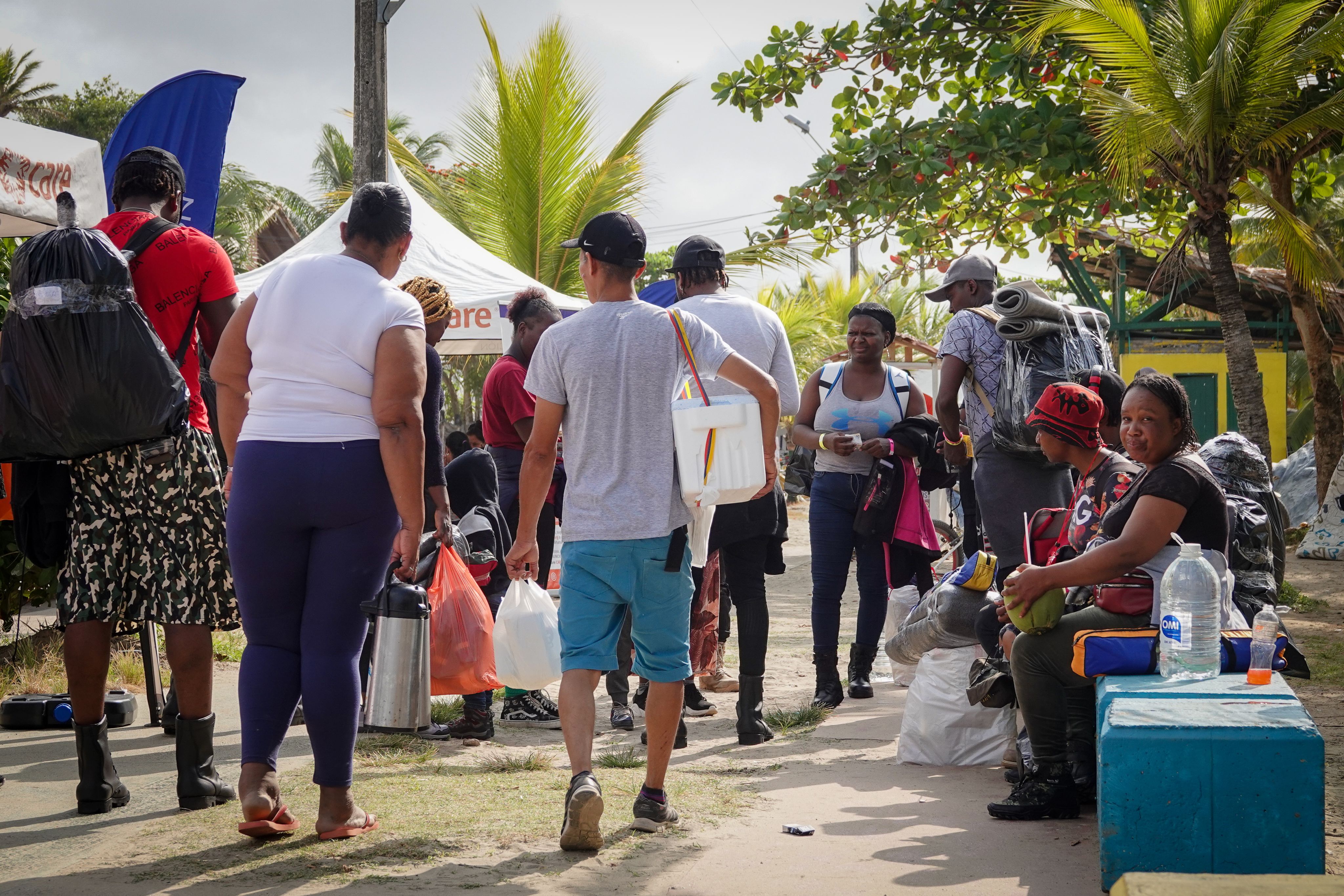

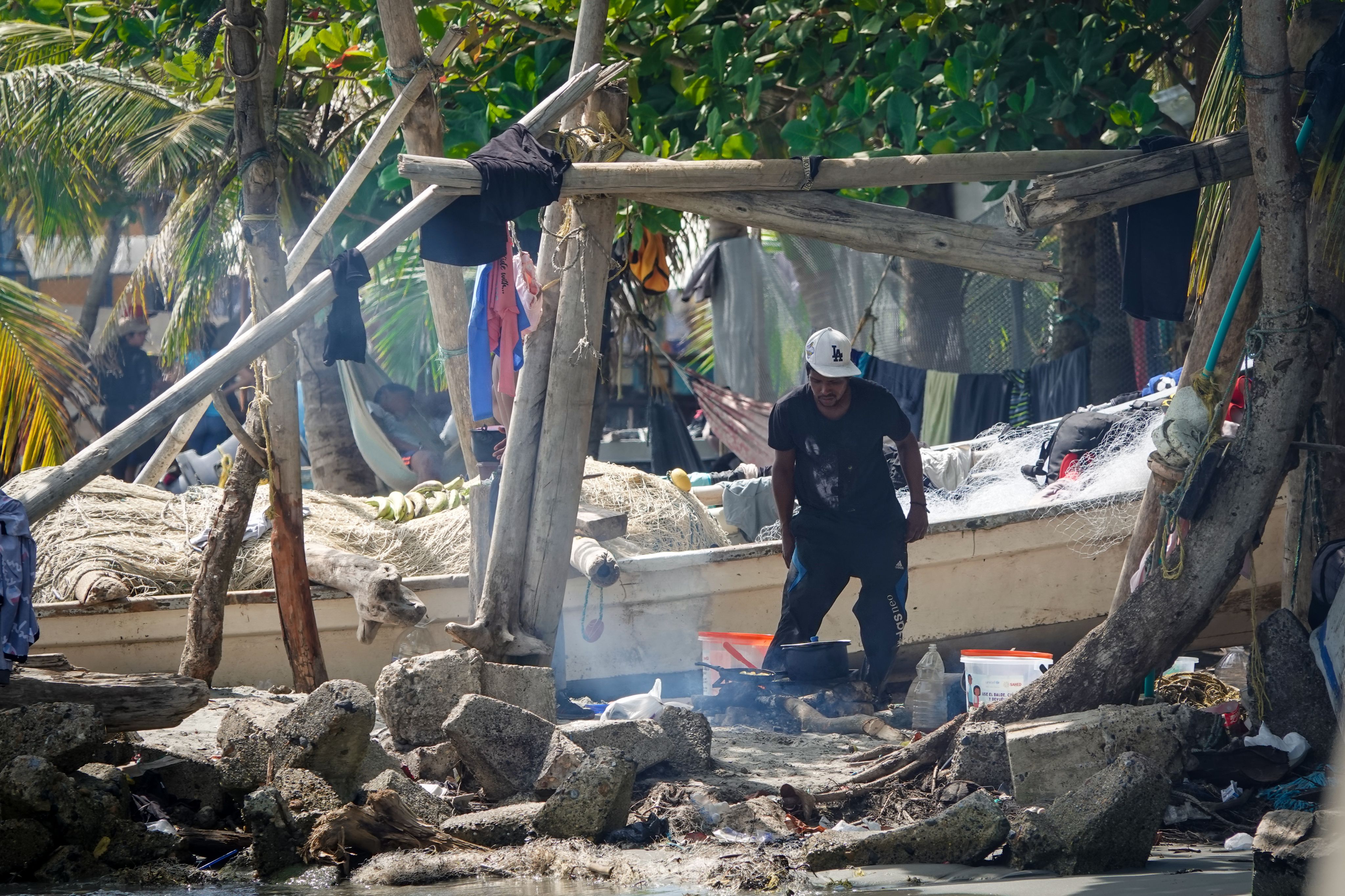
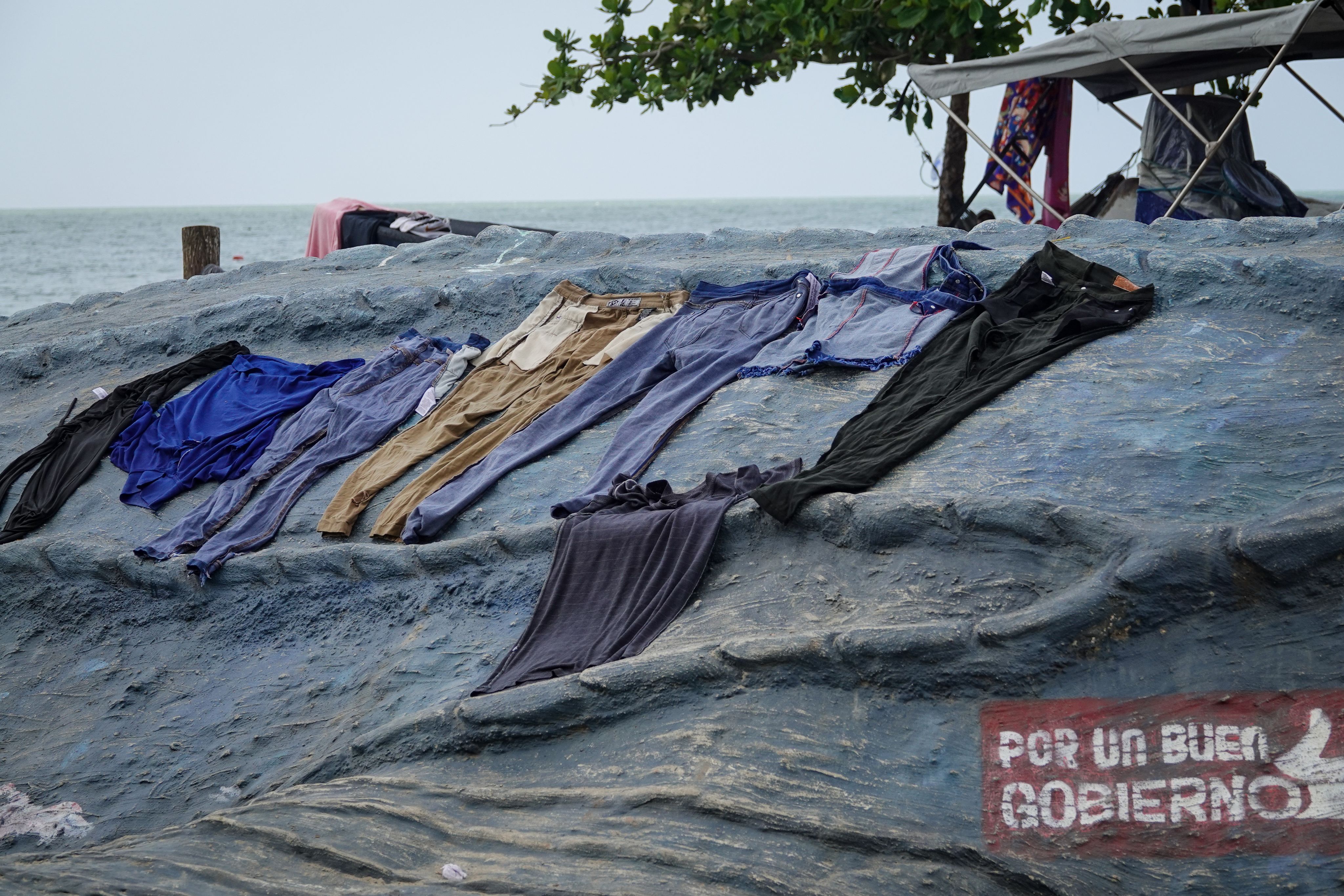
In Necoclí, some refugees and migrants fish in the sea to feed themselves, while others wash their clothes in the salty water. Some look deep into the ocean and think about whether they should take the risk of crossing the Darién jungle or return home.
Armed groups, rape, hunger, thirst, physical exhaustion, dangerous animals, and viral infection transmitted by Aedes mosquitoes are just some of the risks that people face when undertaking the journey. Many have no knowledge of the real situation and are cheated by criminals.
A reality check
Criminals frequently misinform refugees and migrants through social networks. Some 32 out of the 40 people we spoke to in Necoclí said they decided to cross the Darién after watching content on social networks such as Facebook, TikTok or Kwai. The majority believed that what they saw and heard was true, but the reality is very different.

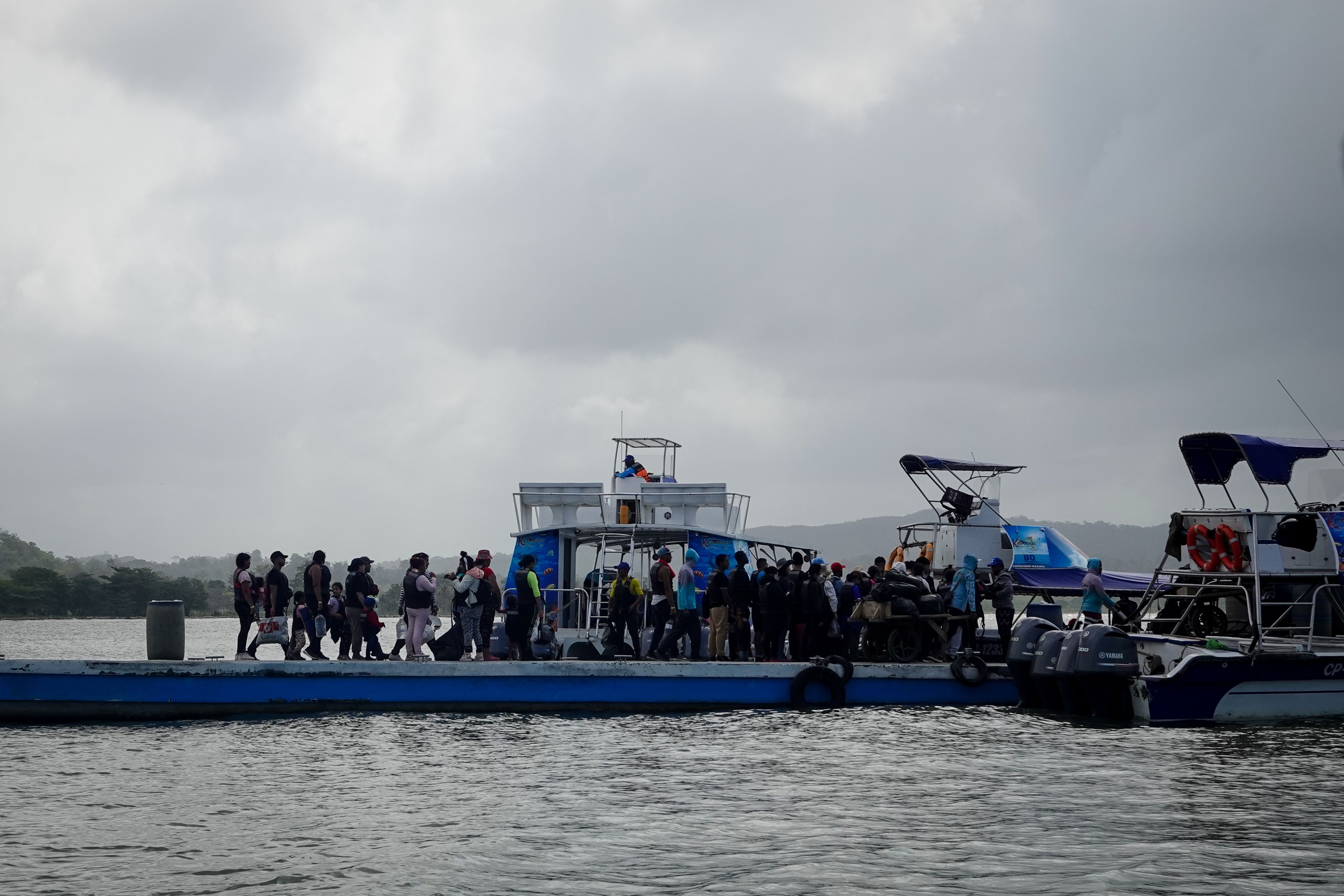
Criminals misinform and rob
“They brought us here and told us that we only had to pay for transportation from Necoclí to Capurganá. The reality is that the ticket by motorboat from Necoclí to Capurganá costs around $32.5 US dollars, but they charged us $203,” one person told us.
This journey is not cheap, and if you don't have the money, criminals can abuse you or your family.
Even worse, Human Rights Watch has warned that non-state armed groups linked to the conflict in Colombia are regulating the routes that migrants and asylum seekers can use. They decide who can assist them on the way, extort people who benefit from migrant flows, and establish rules of conduct for locals and migrants alike, at times enforcing these rules through violence.
The United States does not border Panama
“They said the United States would be on the other side of Panama's northern border. We never imagined that we would have to cross Panama, Costa Rica and many other countries to reach the United States,” says Sebastian.
Sebastian decided to return, after learning that there are more than 7,000km between Panama and the United States. He returned with his wife and two children to Bogota, where his mother was waiting for them.
The reality is that misinformation, cheating and a lack of information increase the vulnerability of refugees and migrants. The humanitarian and protection needs resulting from these situations are alarming.
What is the reality?
Criminals are pushing families into ever more difficult situations to force tough decisions. Three families told us how they had come to be in Necoclí.

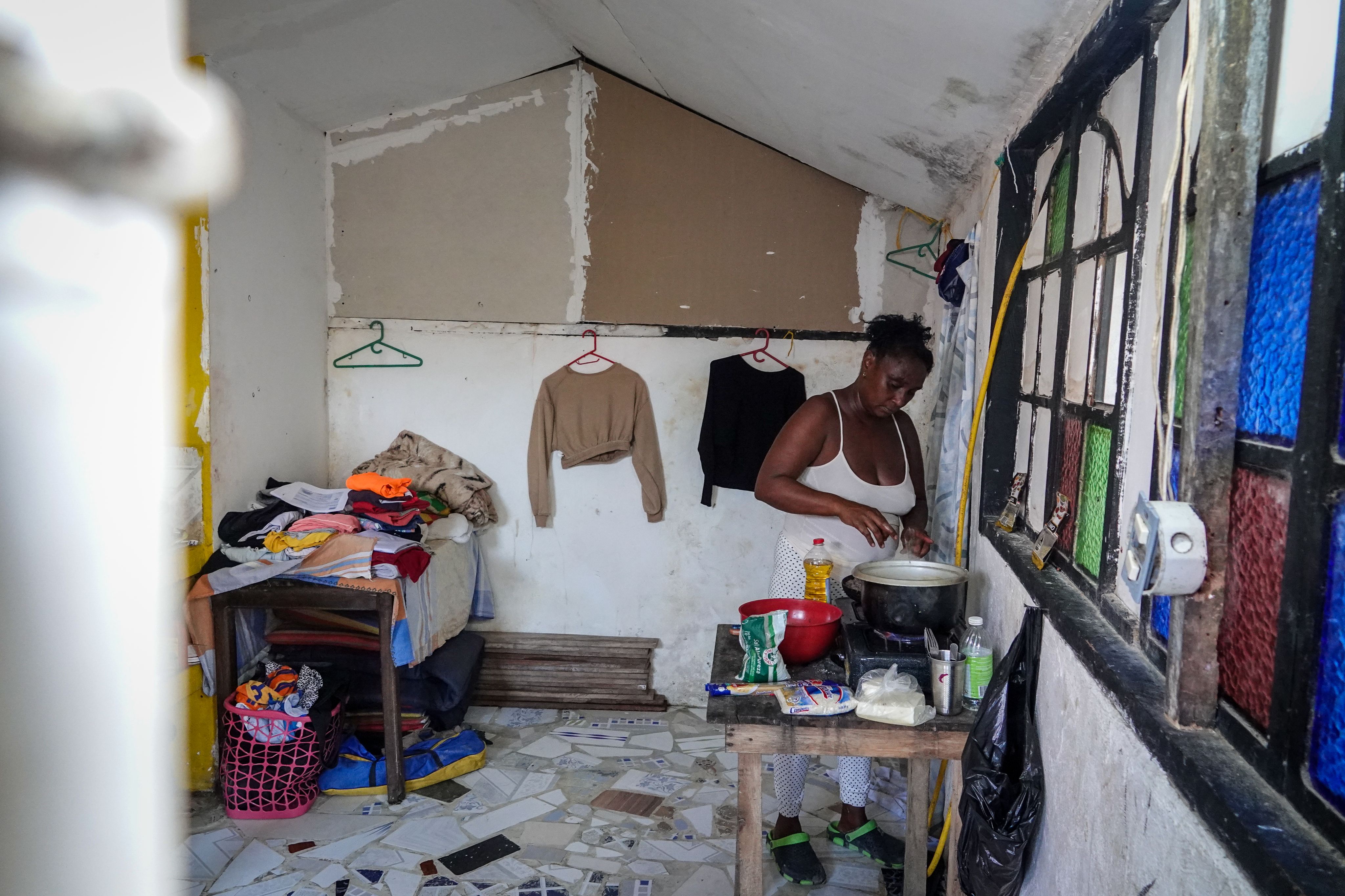
Four years ago, Petra and her daughter fled Venezuela to Colombia due to the humanitarian and socioeconomic crisis in their country. Both women worked in a restaurant in Colombia. Petra likes to cook and had a formal job.

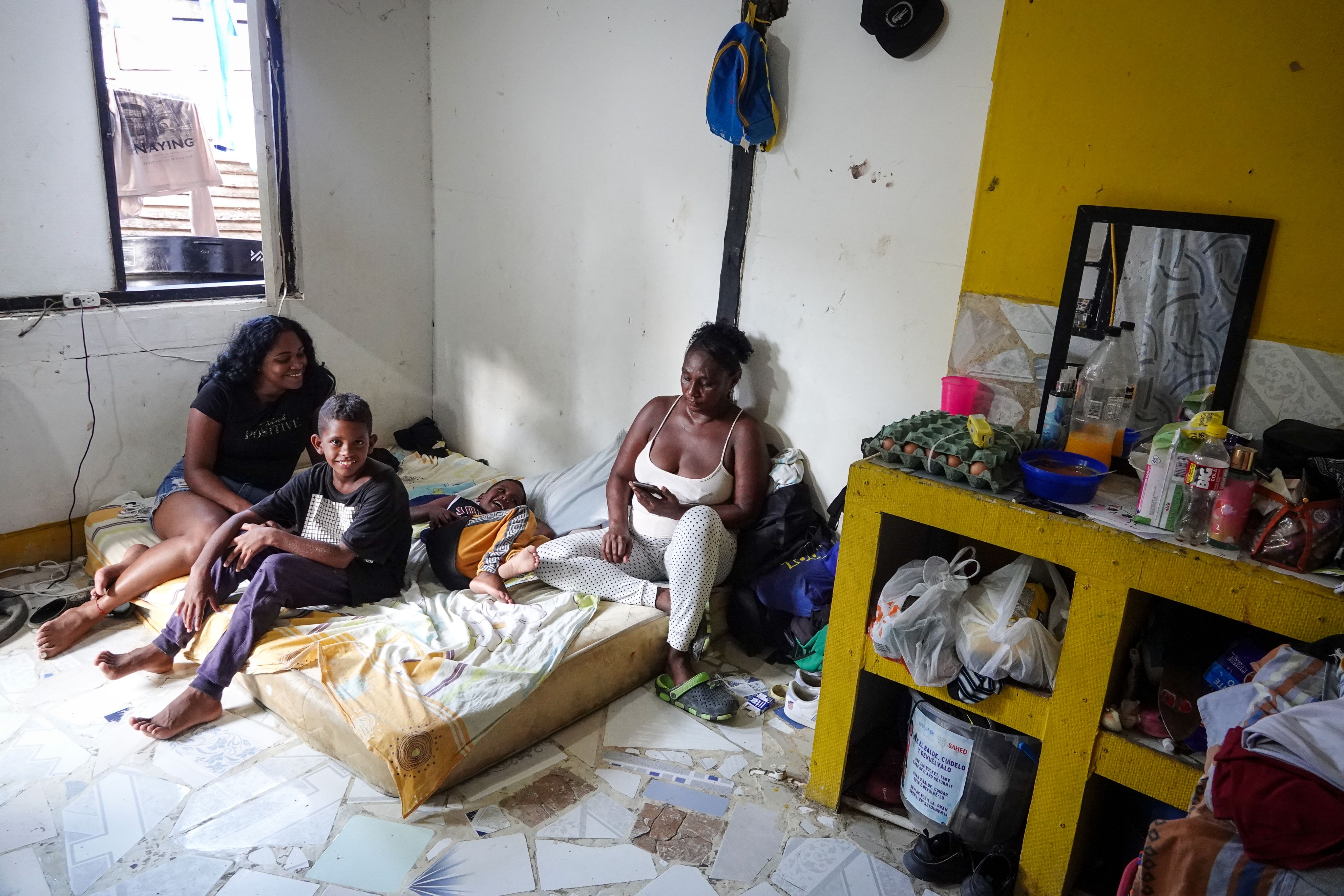
Petra and her family in Necoclí.
Petra and her family in Necoclí.
However, information on social networks about “the American dream” triggered their decision to travel to Necoclí with the aim of migrating to the United States.
Sebastian, his wife and their children also fled from Venezuela to Colombia. The family lived for a while in Bogota, the capital city of Colombia. Sebastian had a good job. His employers provided food for his children, gifts for them at Christmas time, and financial support for their education.
The family came to Necoclí cheated by false promises of an American dream. Sebastian was sure it would be an easy road, but they had to spend 21 days sleeping in a park. They eventually changed their decision and returned to Bogota.

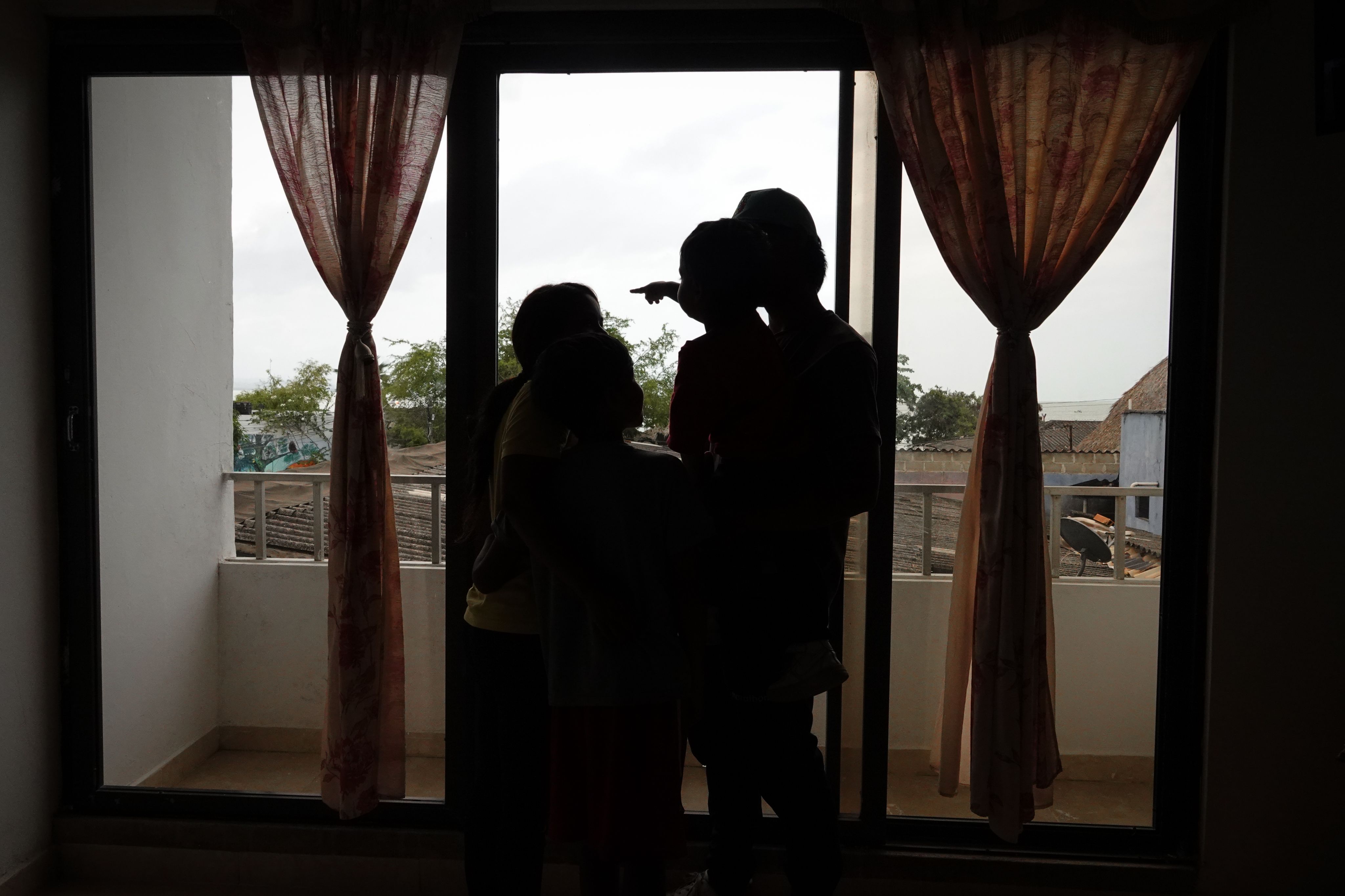
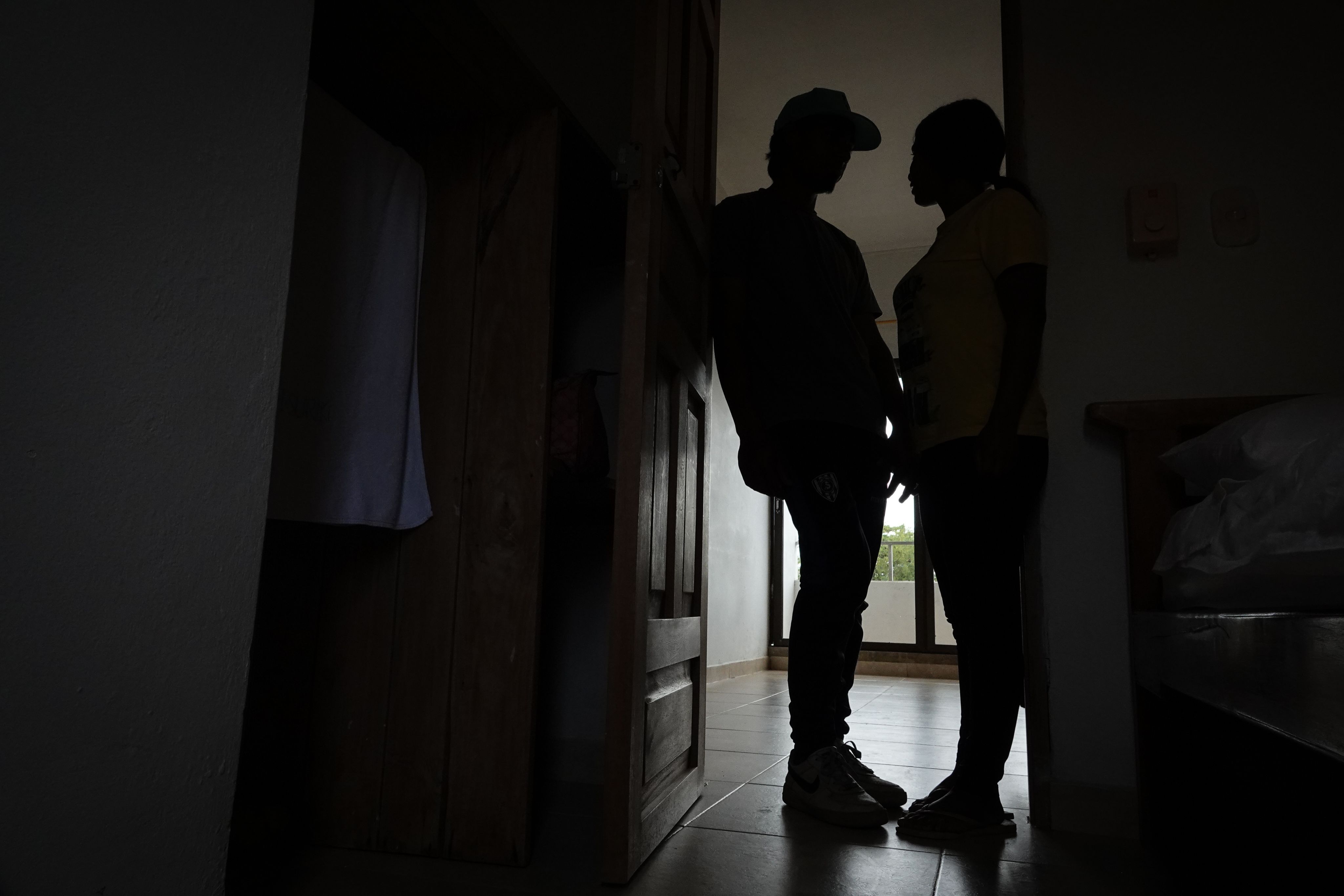
“The conditions for sleeping on the beach are not good at all. The lack of drinking water made my child sick, he got a throat infection, and the fever made him convulse. I had to take him to the hospital… We knew nothing about the conditions of this journey,” says Alexander.
Alexander and Carolina fled with their children from Venezuela to Colombia. Both are 21 years old and lived in southern Colombia. They had economic difficulties, but knew people who were helping them.
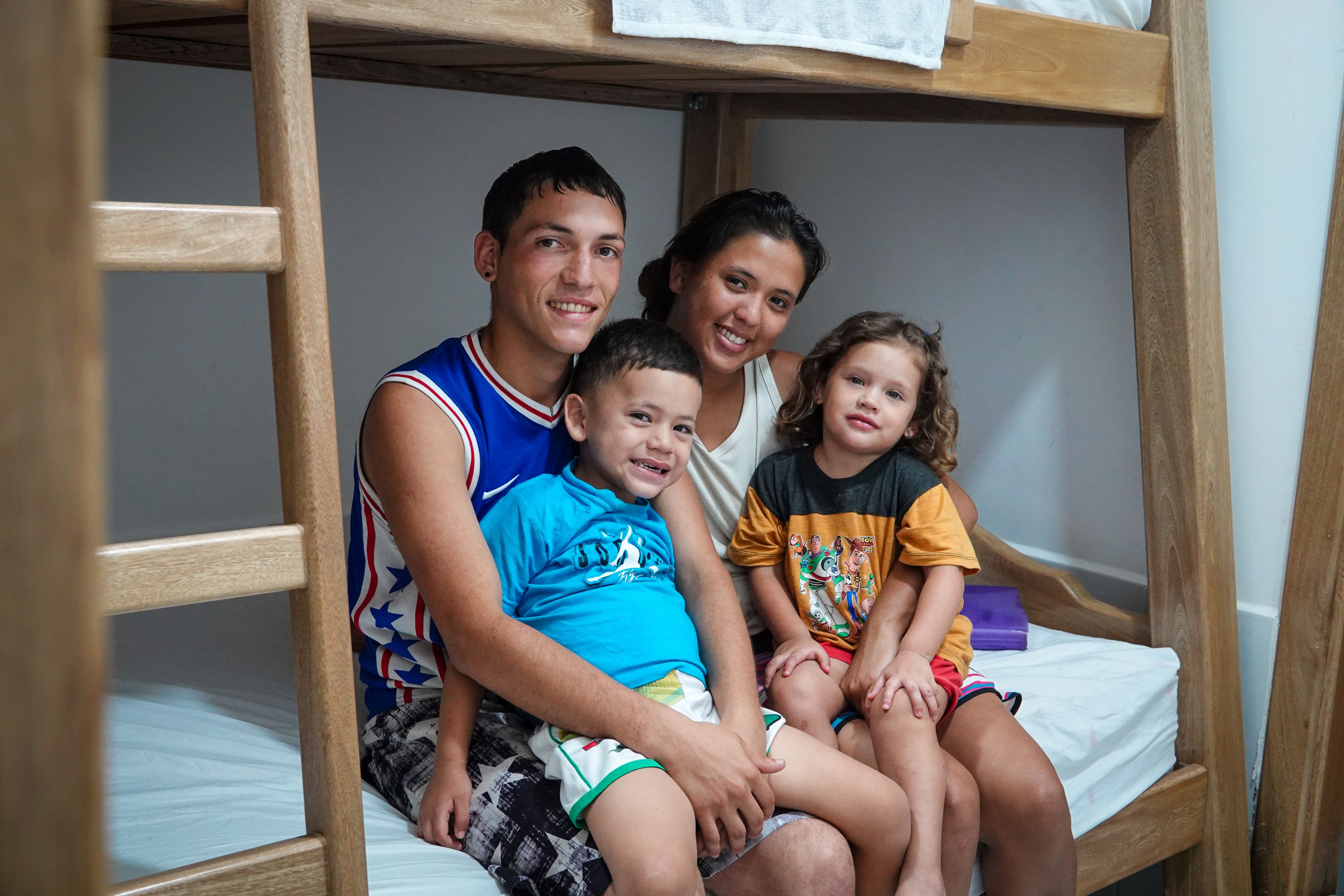
Alexander and his family in a temporary shelter in Necoclí supported by the Norwegian Refugee Council (NRC).
Alexander and his family in a temporary shelter in Necoclí supported by the Norwegian Refugee Council (NRC).
They decided to retract their idea of walking to the United States because they were worried about sickness. Their four-year-old son got food poisoning before the journey and was hospitalised. His health quickly worsened.
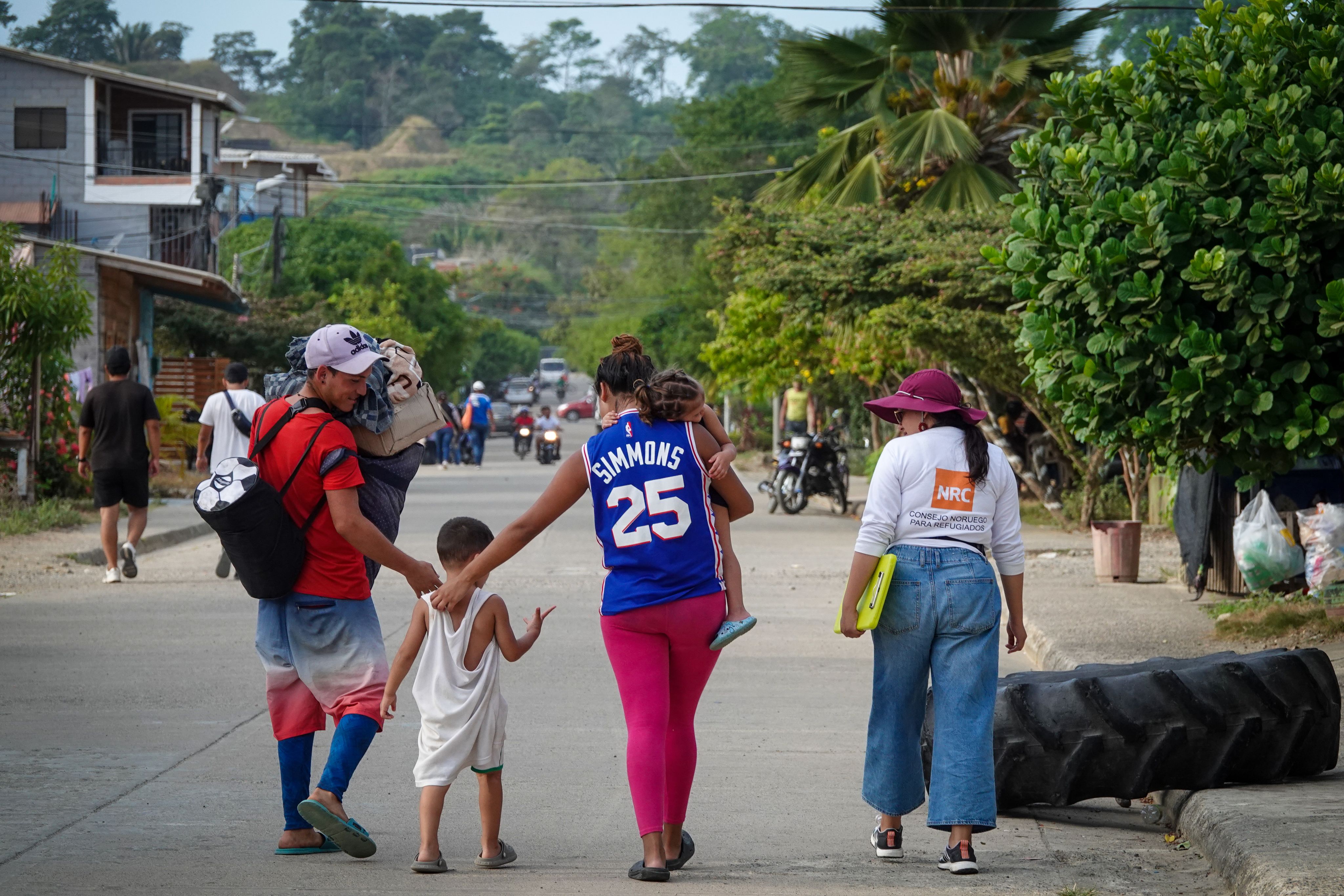
Alexander walking with his family in Necoclí.
Alexander walking with his family in Necoclí.
The lack of food, drinking water, hygiene, shelters and health care are common challenges for refugees and migrants arriving in Necoclí. The needs of those living on the beach continue to be critical.
When crossing is the only option

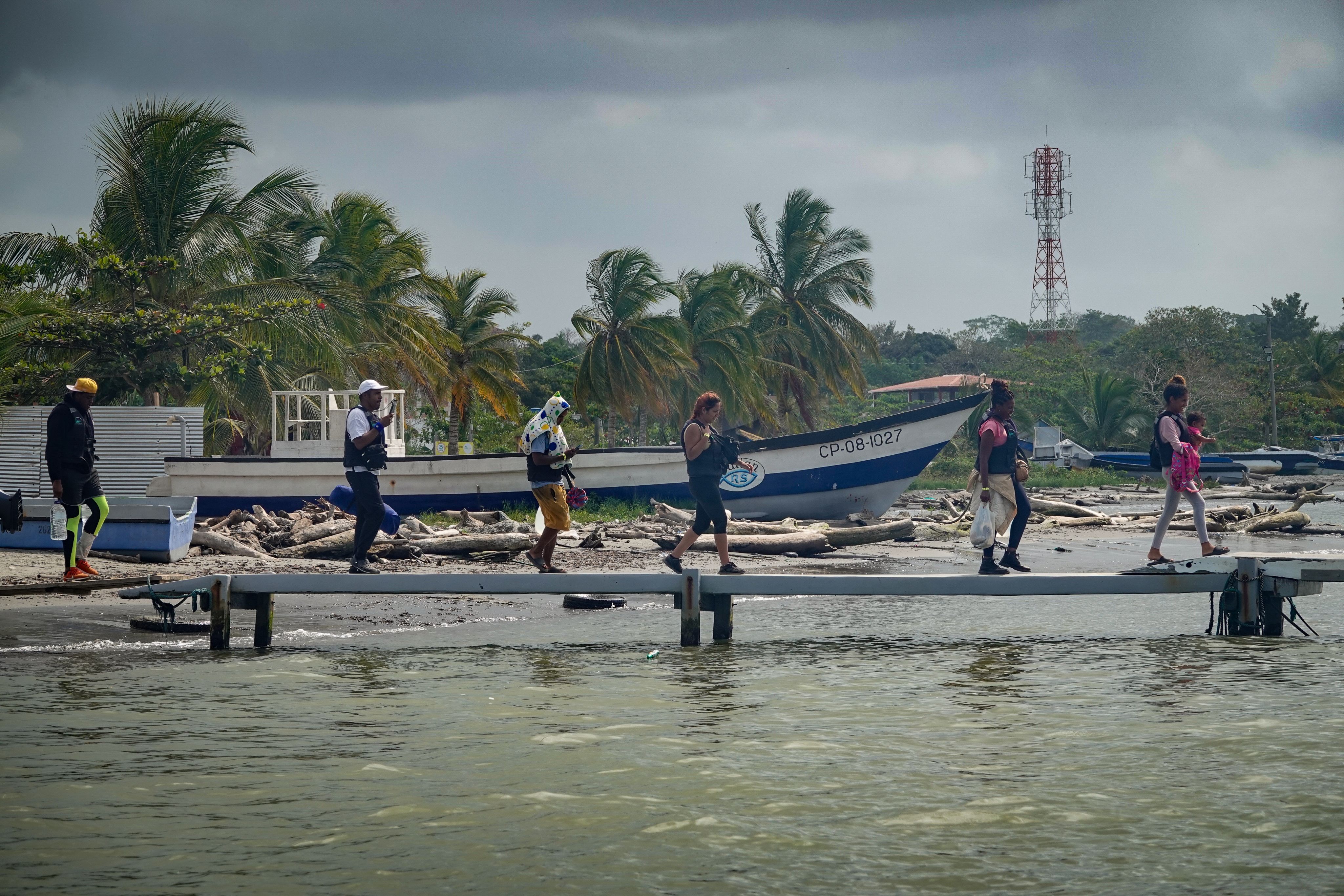
Unfortunately, most people told us that the situation in their country of origin was critical or that their security was at risk. Violence is also a reason to flee. They therefore felt that crossing the Darién jungle was their only option.
During 2023, dozens of people died crossing the jungle. The number of people missing could be higher, according to human rights organisations.
In Panama, thousands of people arrive every day in inhumane conditions. It’s clear that there must be real investment in hope at home and a safer way to seek safety and opportunities in the region.
The international
community must act

According to United Nations there are more than 9 million refugees and migrants with humanitarian needs in Latin America and the Caribbean. In 2023, the international community requested 1.7 billion US dollars to address these needs. Unfortunately, humanitarian actors have only received 21 out of every 100 dollars requested to date. This underfunding sends the wrong message to those refugees and migrants waiting for opportunities in the countries where they currently live.
The international community should be aware that restrictive policies will not stop the migration. It is time for the countries of America to protect and ensure the rights of people on the move. Access to refugee status, documentation, education and employment can’t wait any longer.
Acting decisively and regionally could save lives.
The Norwegian Refugee Council (NRC) is providing humanitarian aid to save lives along the migratory routes in Ecuador, Colombia and Panama. We are providing factual information to raise awareness of the deadly risks in the Darién jungle and on other informal migration routes throughout the continent.
Sign up to our newsletter to read more stories from around the world
 Built with Shorthand